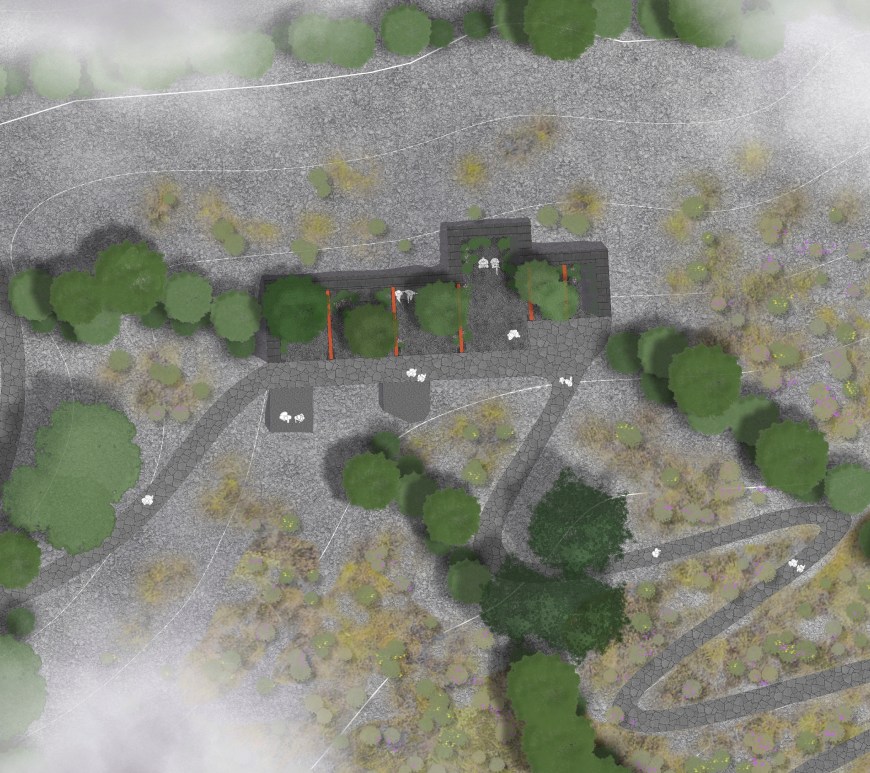
Masterplan for the re-imagined Careg-wen-uchaf farmstead in Dinorwig

Cabans of reconciliation: transforming a listed quarry into a dynamic landscape
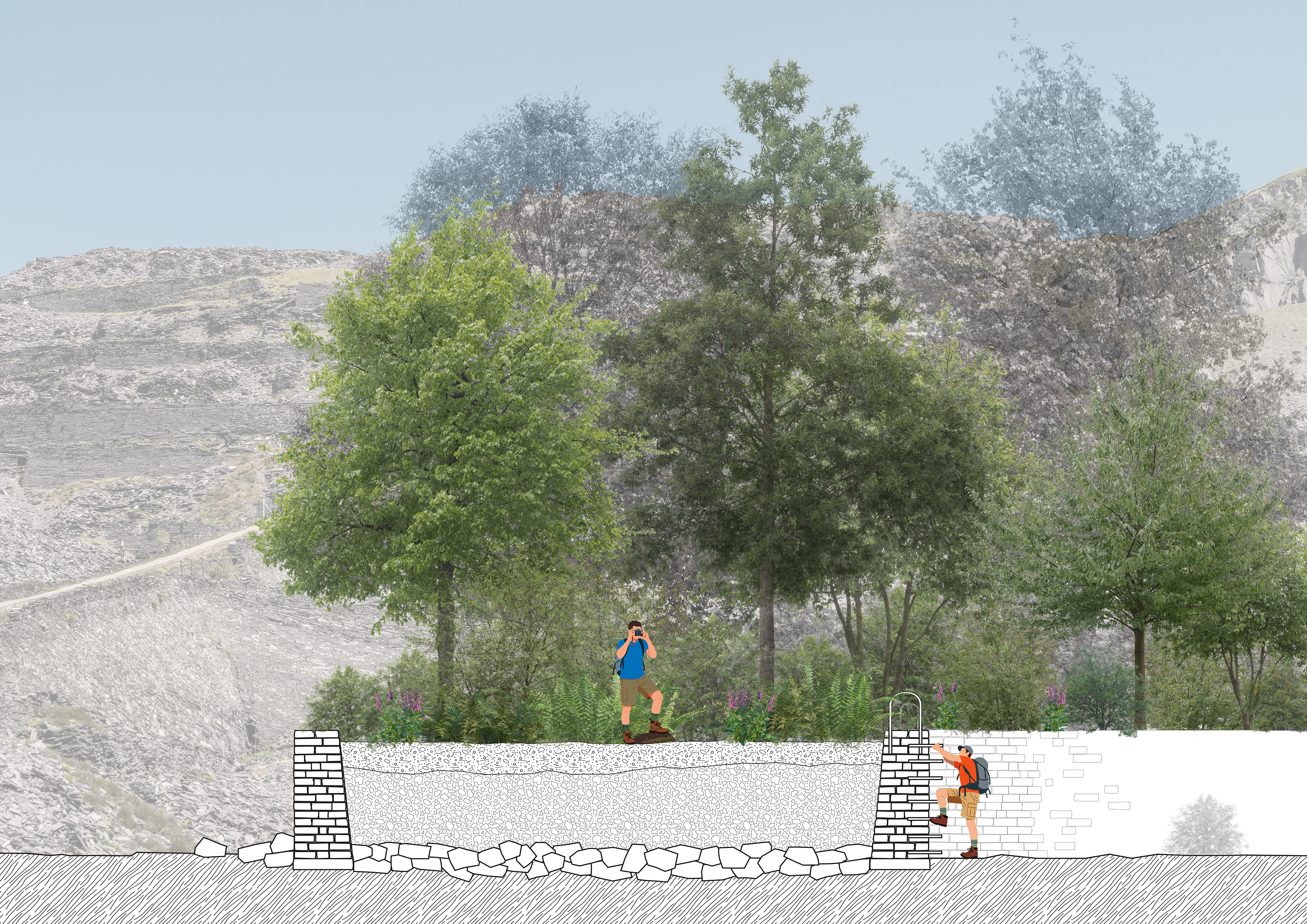
Section showing access to the Future Forest Mill via reverse 'swimming pool' ladders.
Section showing access to the Future Forest Mill via reverse ‘swimming pool’ ladders.

Dinorwig slate quarry, in northwest Wales, is an awe-inspiring site. Huge pits carved out of the mountain and spoil heaps rippling down the hillside, with open views across Lake Peris to the Snowdon range.

The revegetated mills complex at Dinorwig quarry.

Humans started farming the area about 3,000 years after glaciers retreated at the end of the last Ice Age, but it is slate quarrying which put Dinorwig on the map. Commercial extraction started in 1787 and ended in 1969, when the quarry closed. It now lies abandoned, a vast expanse of mineral bleakness, with patches of vegetation. But the memory of the quarrymen still defines the identity of the valley.

How can we hold on to these memories while shaping a distinctive future for the site? This is what the Cabans of reconciliation project is about: reactivating features such as the quarrymen’s cabans as metaphors for their past activities, and turning them into vessels for the revegetation of the quarry against the backdrop of climate change. Having sheltered quarrymen over generations, the cabans and other buildings will now shelter trees and plants which will then be allowed to self-seed and spread further around the site.

Continue reading “Cabans of reconciliation: transforming a listed quarry into a dynamic landscape”

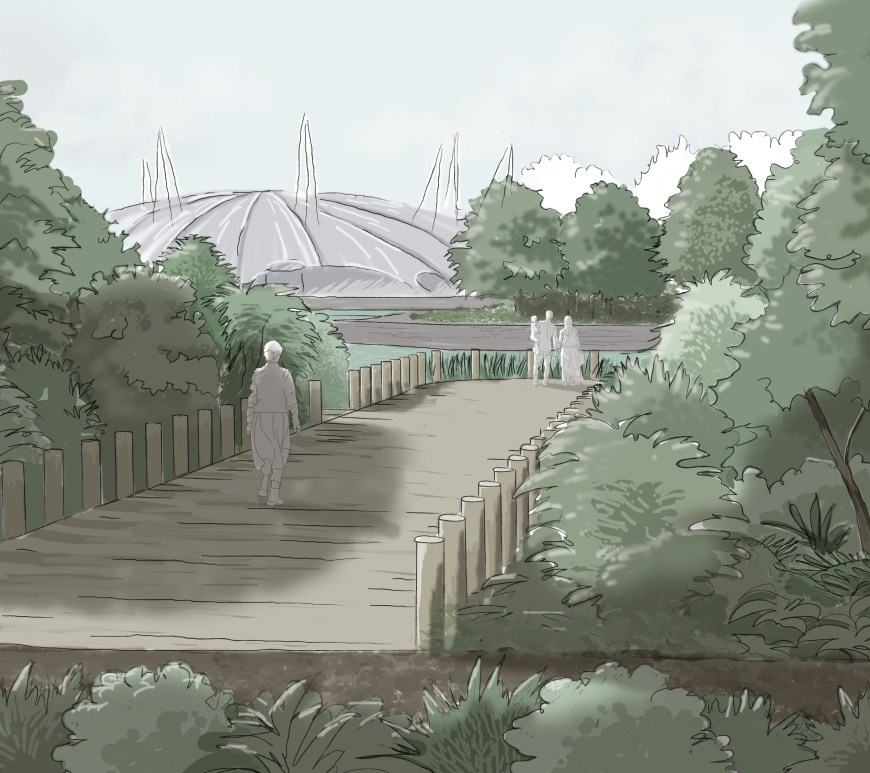
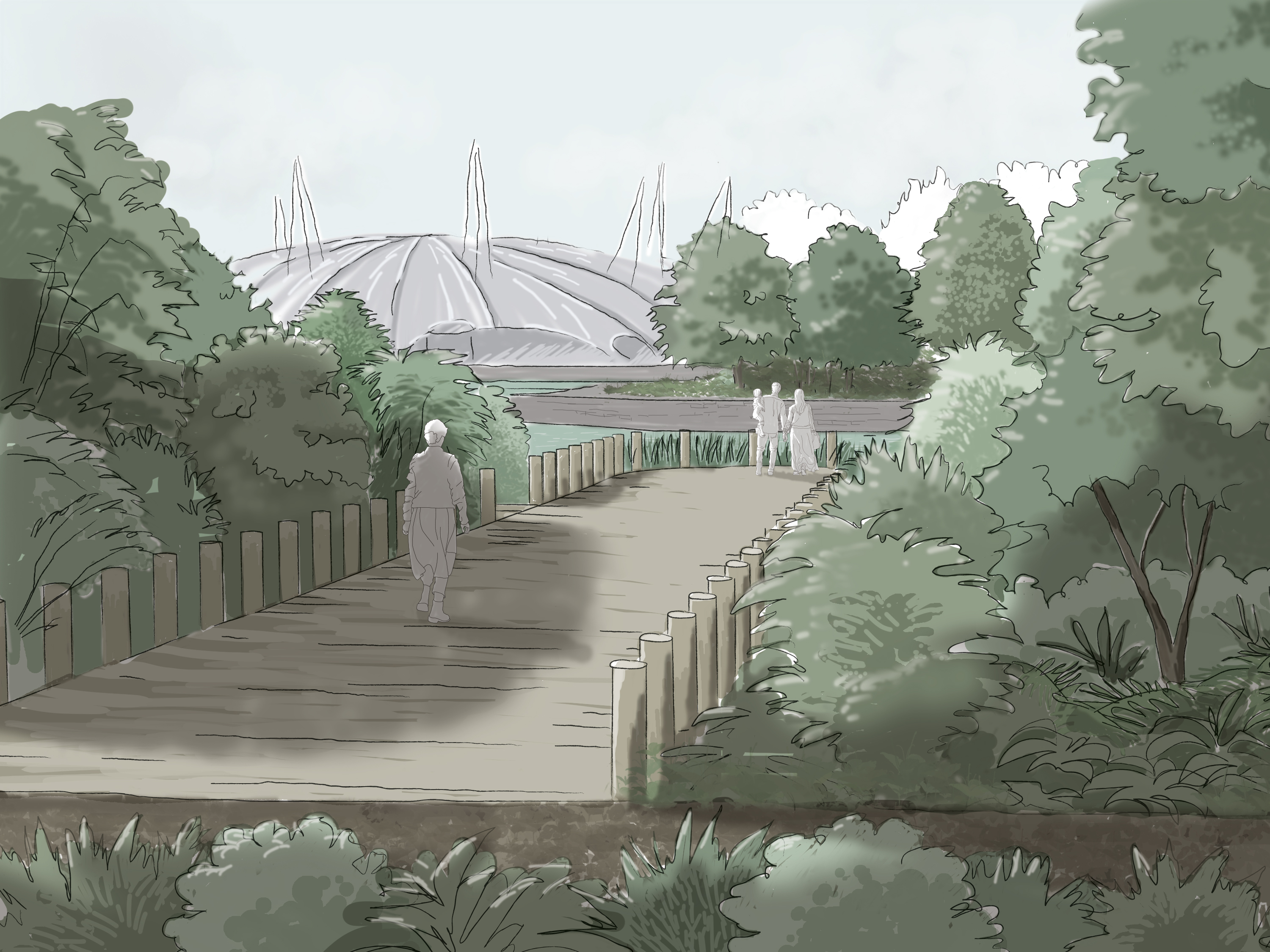
View across the Thames to the Millenium Dome from the reimagined pier.

East India Dock Basin: where history meets natural processes

View across the Thames to the Millenium Dome from the reimagined pier.

East India Dock Basin, a local nature reserve in East London, was once part of a large network of docks operated by the East India Company, the entity which, for decades, commercially and politically ruled most of modern India. Today, it is surrounded by the creeping metropolis, with 30+ storey tower blocks sprouting up in a tight urban mesh. It is one of very few green spaces in the borough of Tower Hamlets, and pressure on its services is going to increase further with the redevelopment of neighbouring Orchard Wharf as a residential project with more than 200 homes and accommodation for 1,400 students. Silt has also been building up in the basin, with every receding tide leaving further alluvial deposits, adversely affecting species of diving birds and detrimental to biodiversity.

This project is about harnessing the power of natural processes, from silt to vegetation, to bring back the layers of history which have occupied the site and to shape a lasting identity for the former dock basin.

Continue reading “East India Dock Basin: where history meets natural processes”

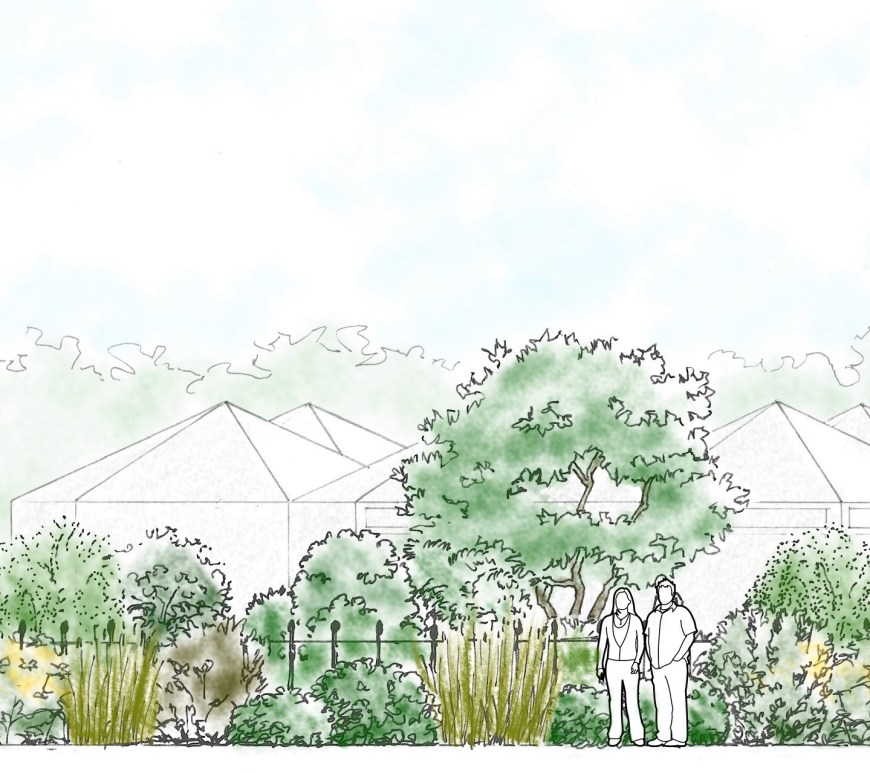
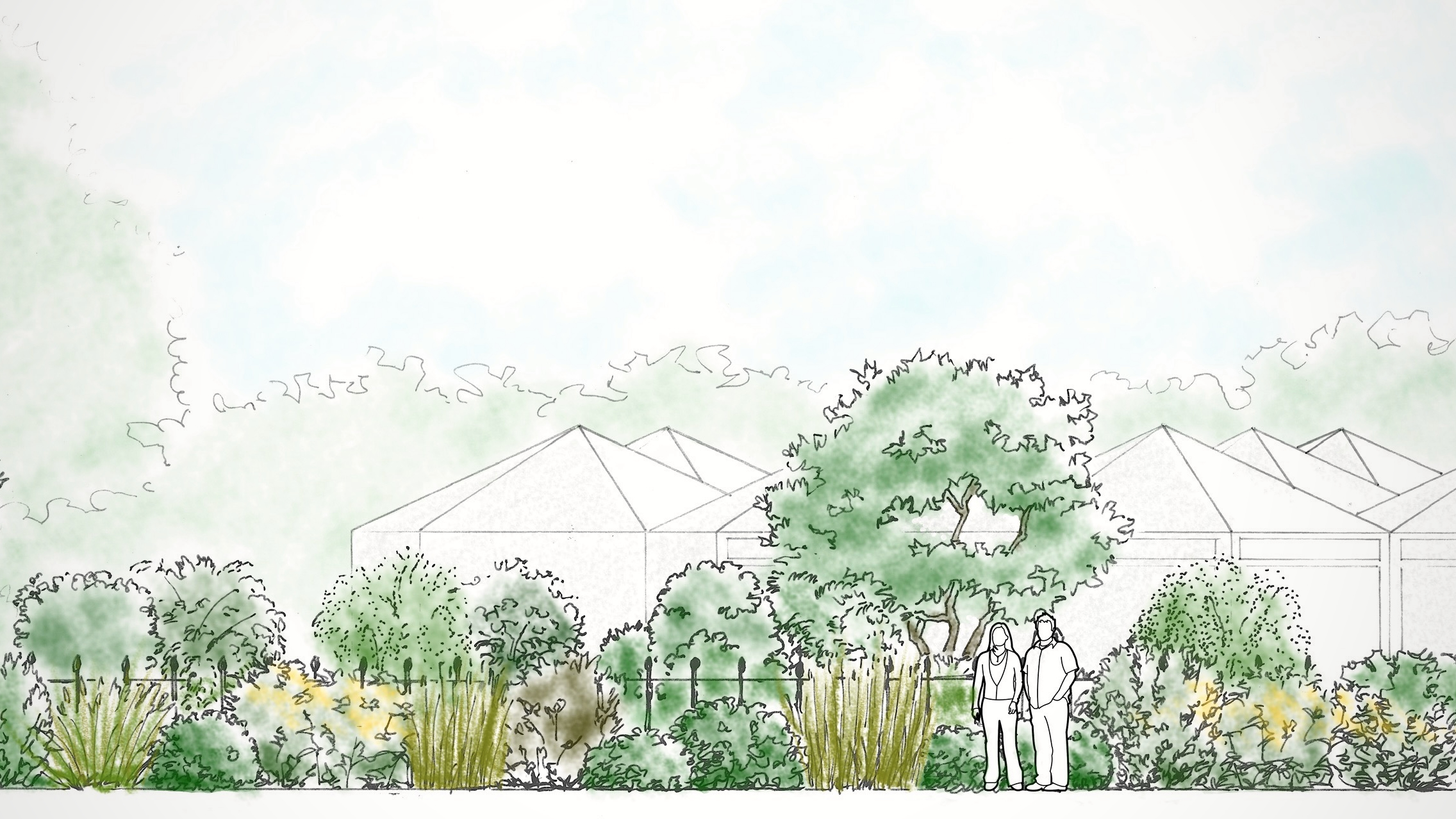
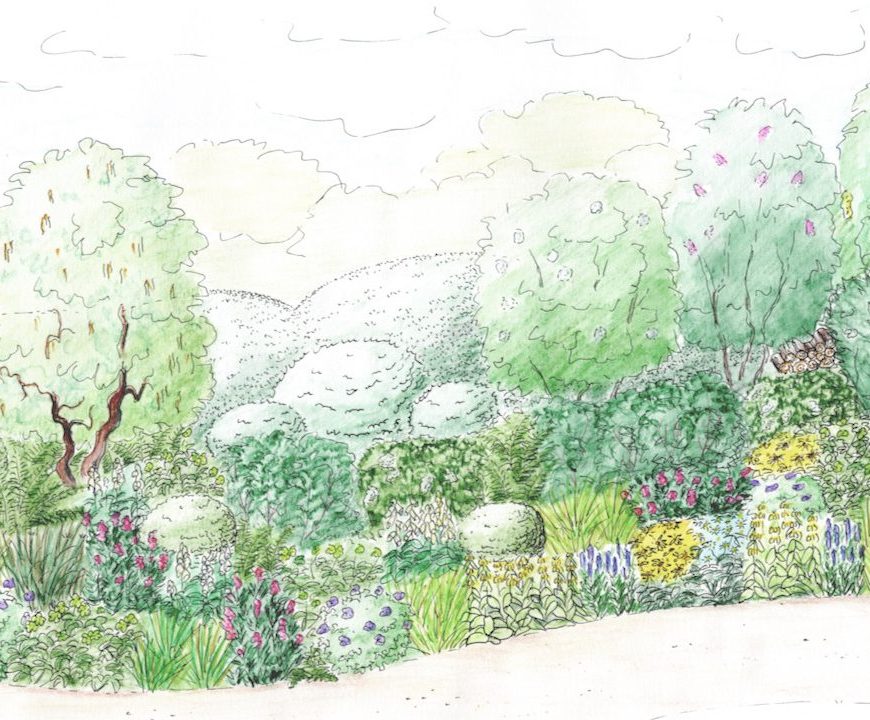
Elevation drawing of the new planting at the Benugo's café in Queen Mary's Gardens

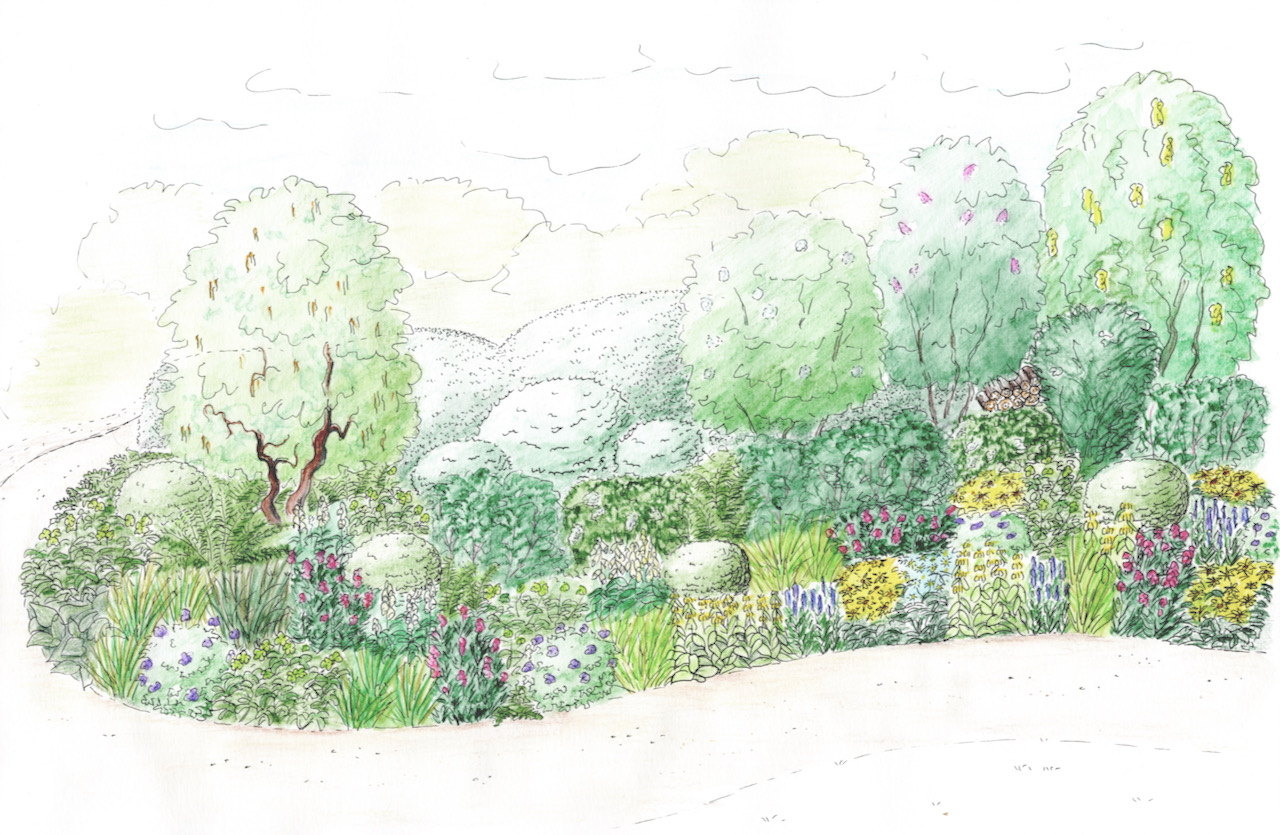
Regent’s Park: vibrant café front garden

Elevation drawing for café front garden
South elevation drawing for the café front garden

Queen Mary’s Gardens café, at the heart of Regent’s Park, is a popular place year round, and its front garden is a key part of the experience. Whether you’re coming in for a drink while out for a stroll on a bright spring morning, or a cyclist on a break during a wet winter training day, or a theatre-goer on a summer evening – you will be walking past or perhaps even through the garden before going in. And for any visitor entering Queen Mary’s Gardens from the western end, this corner site is a main marker on their journey around the park, and it sets the tone for their experience of the wider space. So, whatever the season, the planting has to work hard: it should invite you as you walk into the gardens, make the café’s terrace feel private enough but not enclosed, and generally be in keeping with the scale of the space. Continue reading “Regent’s Park: vibrant café front garden”

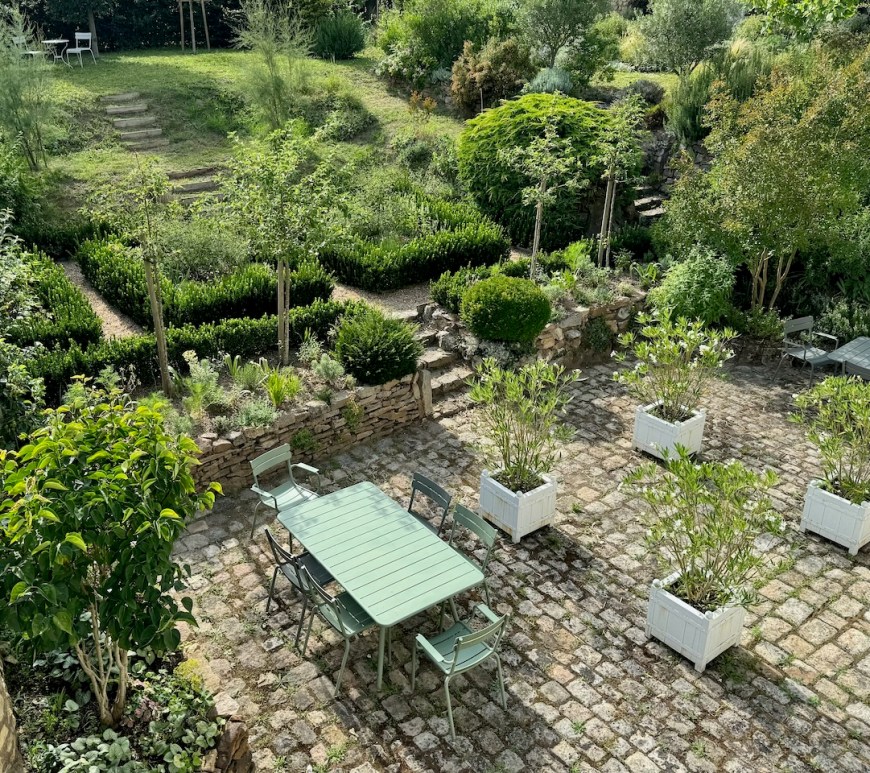
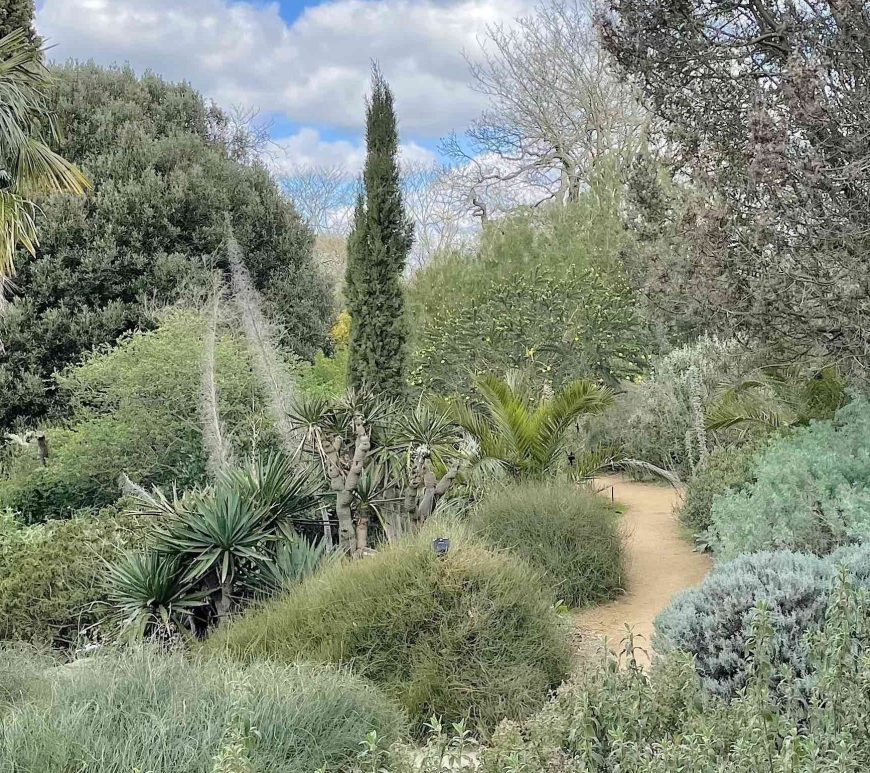
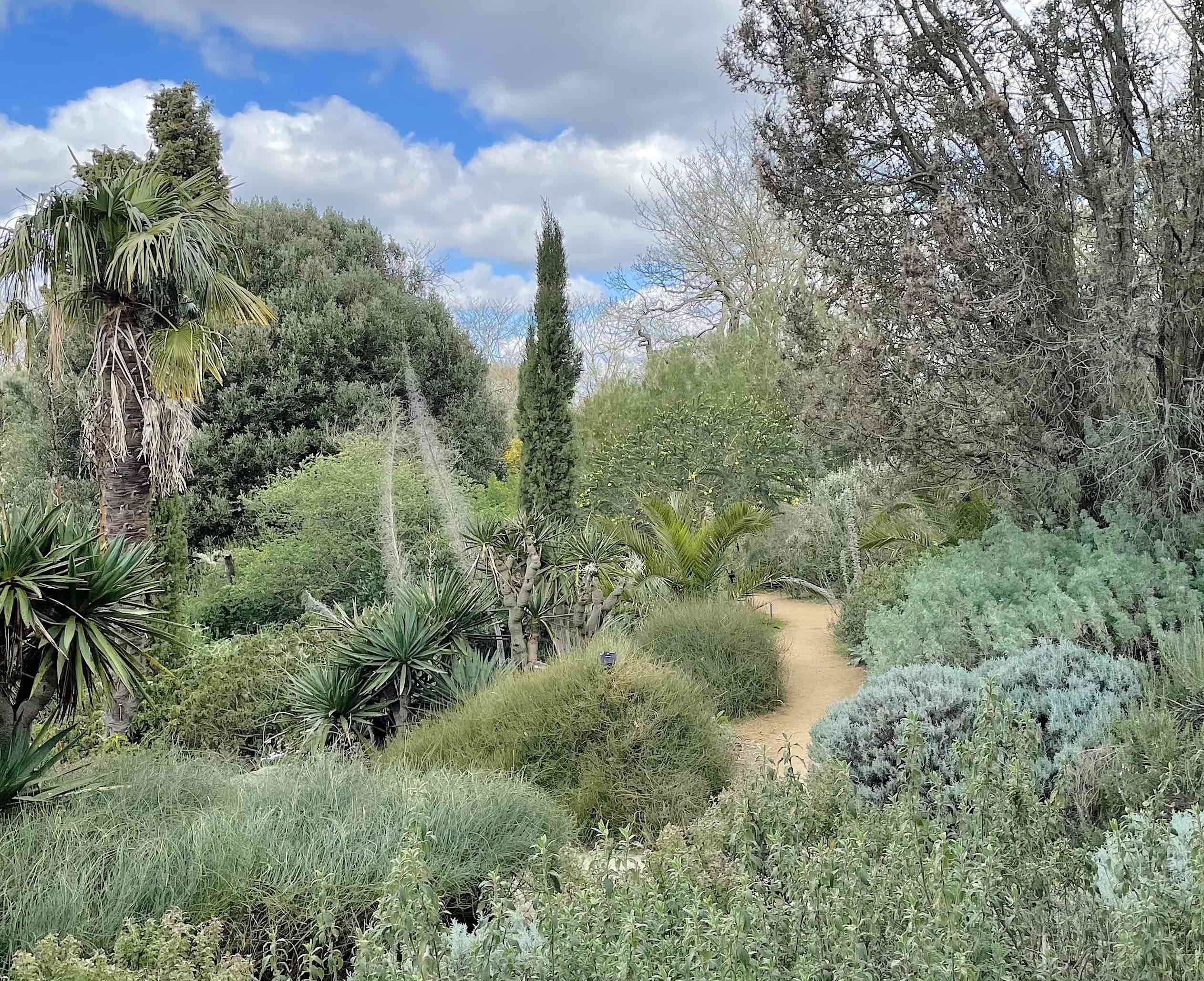
The Mediterranean garden, in Kew, home to numerous New Zealand plants

Bringing New Zealand to Islington

The Mediterranean garden, in Kew, is home to numerous New Zealand plants

This new planting scheme for a garden in Islington is a tale of two hemispheres, on two counts. First, although it is based in North London, it incorporates a range of plants native to New Zealand, where the owners spent their childhood. Second, it also has two distinct environments: one side faces south, it is sunny and warm, with well-drained soil, while the other faces north, is in the shade, and the soil remains reliably moist.


Continue reading “Bringing New Zealand to Islington”