Cabans of reconciliation: transforming a listed quarry into a dynamic landscape
Dinorwig slate quarry, in northwest Wales, is an awe-inspiring site. Huge pits carved out of the mountain and spoil heaps rippling down the hillside, with open views across Lake Peris to the Snowdon range.
Humans started farming the area about 3,000 years after glaciers retreated at the end of the last Ice Age, but it is slate quarrying which put Dinorwig on the map. Commercial extraction started in 1787 and ended in 1969, when the quarry closed. It now lies abandoned, a vast expanse of mineral bleakness, with patches of vegetation. But the memory of the quarrymen still defines the identity of the valley.
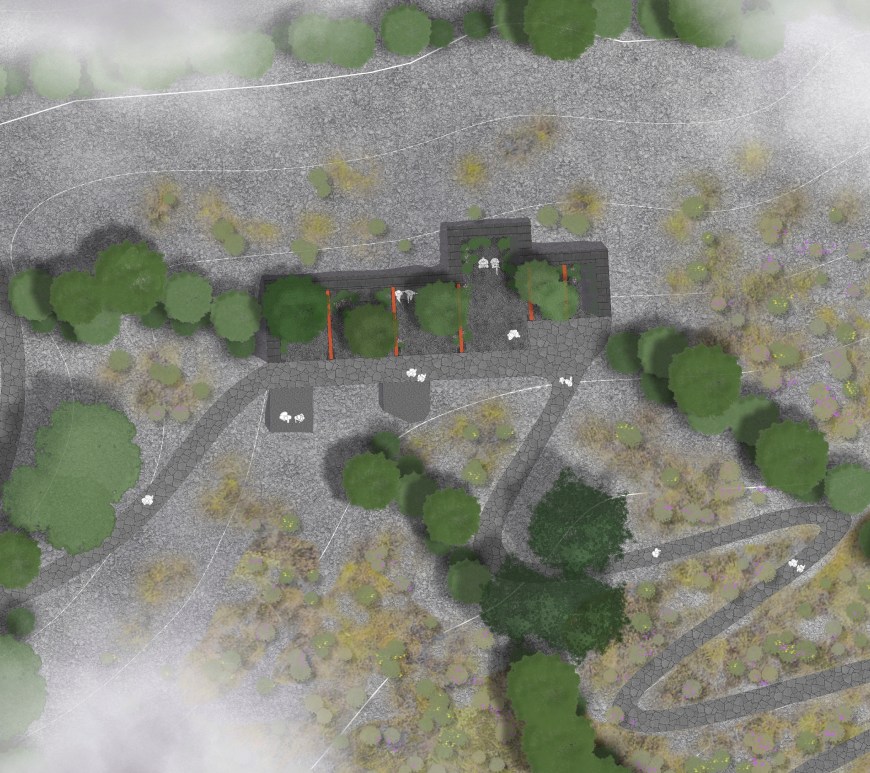
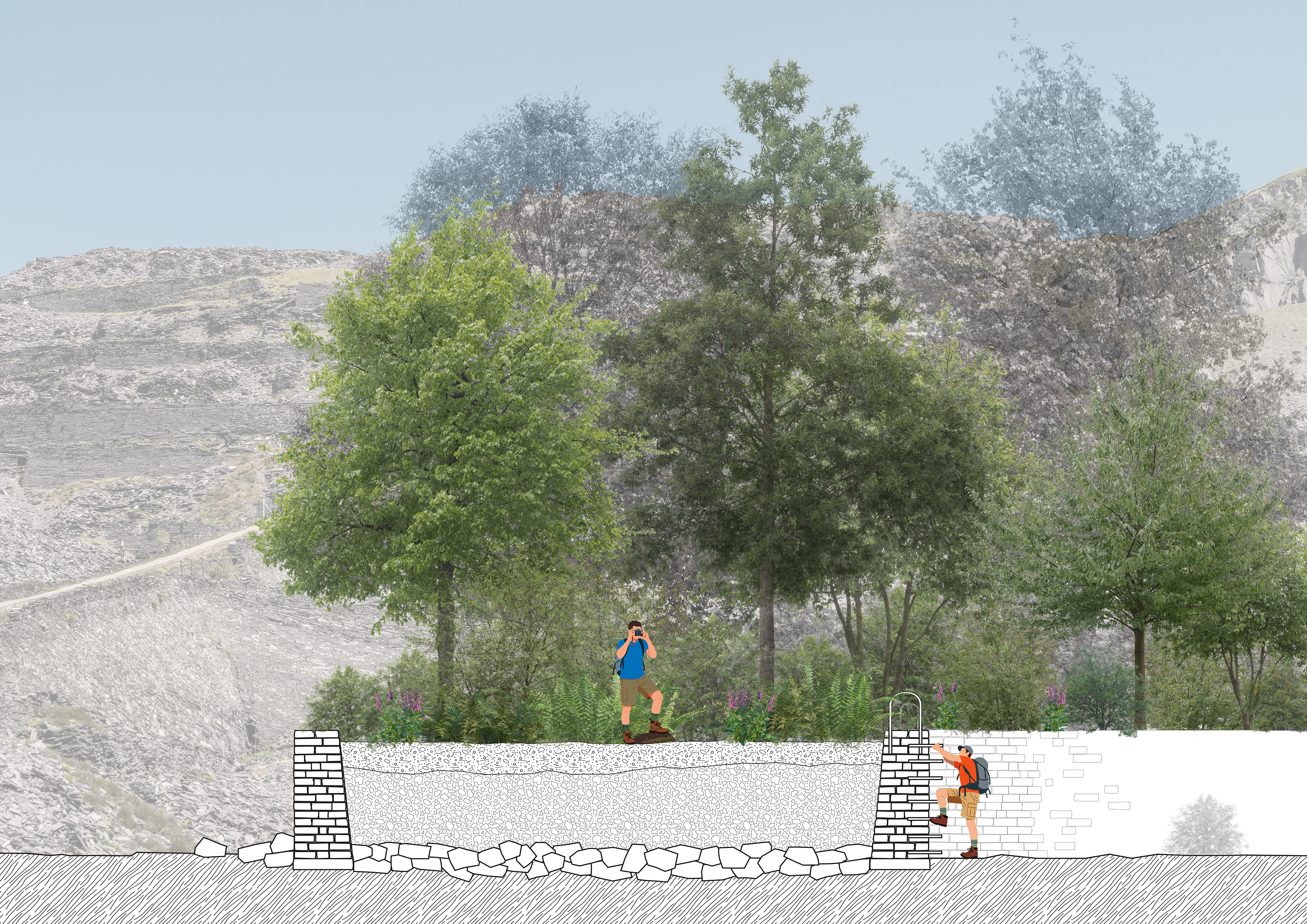

How can we hold on to these memories while shaping a distinctive future for the site? This is what the Cabans of reconciliation project is about: reactivating features such as the quarrymen’s cabans as metaphors for their past activities, and turning them into vessels for the revegetation of the quarry against the backdrop of climate change. Having sheltered quarrymen over generations, the cabans and other buildings will now shelter trees and plants which will then be allowed to self-seed and spread further around the site.
Continue reading “Cabans of reconciliation: transforming a listed quarry into a dynamic landscape”


